
The House Always Wins? Why Smart Players Still Show Up

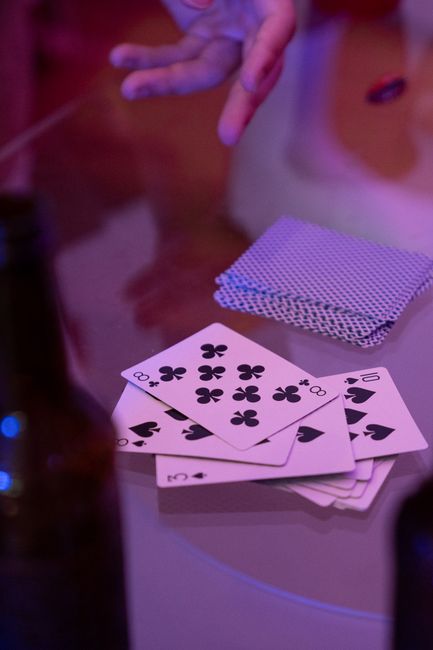
Every gambler has heard the phrase. The house always wins. It's trotted out at every dinner table, every office break room, every time someone mentions they spent the weekend at a casino. And here's the uncomfortable truth: for most players, most of the time, it's correct. The math is rigged in the operator's favor, and no amount of lucky streaks changes that. So why do millions of people still buy lottery tickets, spin slots, and grind out poker hands at 2 a.m.? Because the story is more interesting than the slogan suggests. The house wins on average. It doesn't win on every hand, and it certainly doesn't win against everyone.
The Math Behind the Curtain
Every casino game has a built-in edge, and understanding it is the difference between entertainment and financial self-harm. A standard American roulette wheel has 38 pockets. Bet on red and you're paid as if there were 36. That two-pocket gap is the house edge, roughly 5.26%. European roulette drops a single zero, cutting the edge to about 2.7%. Slot machines vary wildly, but typical RTP (return to player) lands between 92% and 97%, meaning the house keeps 3% to 8% of everything wagered over the long run.
Blackjack is the outlier. Played with basic strategy, the house edge can dip to 0.5%, and skilled card counters have historically flipped the edge in their favor. That's precisely why casinos shuffle more often, use six-deck shoes, and ban players they suspect of counting. The math isn't hidden. It's just buried under flashing lights and free drinks. Anyone weighing up options should see saowin.za.com.
Poker is a different beast entirely. You're not playing against the house. You're playing against other people, and the casino takes a rake. Beat the other players consistently enough, and the rake becomes a cost of doing business rather than an unbeatable tax.
Slots: The Art of the Session
Slot machines are the most profitable product in any casino, and it's not close. They require no dealers, no training, and no skill from the player. Modern video slots are engineered by teams of mathematicians and psychologists to do two things: keep you spinning and make you feel close to a win even when you're not.
A few concrete things worth knowing before you sit down:
- Volatility matters more than RTP. A 96% RTP slot with high volatility will eat your bankroll in long dry spells before a big hit. A 95% low-volatility slot pays small and often. Pick based on your bankroll size, not the shiny number.
- Max bet isn't always optimal. On many progressive jackpot slots, you must play max bet to qualify for the jackpot. On others, you don't. Read the rules screen, not the marketing.
- Bonus buy features let you skip straight to free spins for a price, often 100x your bet. Fun, but the math usually favors the casino by a wider margin than the base game.
- Session budgeting works. Decide what you're willing to lose before you spin. When it's gone, you're done. Won ten times your buy-in? Consider cashing a chunk out. This isn't rocket science, but it's the difference between a fun night and a rough month.
Betting: Where Edges Are Real But Small
Sports betting is a different animal because a tiny handful of bettors genuinely do win long-term. Not many. But the edge here is created by other bettors' mistakes, not by the game itself. When you bet against the spread, the sportsbook charges around 10% vigorish on the losing side. If you win half your bets at -110 odds, you lose money. Push that win rate to 53% or 54% and you flip profit.
That's the entire game for professional bettors. Shopping around for the best line, exploiting soft markets, and hammering promotions is unglamorous. The big bets you see on TV are marketing. The real money is made clipping small edges thousands of times.
One thing worth saying plainly: parlays and same-game multis are wildly profitable for the books. A three-leg parlay that looks like easy money at +600 generally has a house edge around 10% or more. They're fun. Treat them that way.
Poker Remains the Only Skill Game
Ask any poker pro where the money comes from, and they'll tell you: from the players who don't understand position, pot odds, and table dynamics. Poker is a zero-sum game against other people, minus the rake. That means the game is beatable, but only if you're realistically one of the better players at your table.
For anyone actually trying to improve:
- Track everything. Tools like trackers show your win rate in big blinds per 100 hands. If it's negative over 50,000 hands, the problem isn't variance.
- Study preflop charts. It's the simplest, most mechanical way to plug leaks. Position is everything.
- Play one or two tables, not eight. Volume matters only if your decision quality stays high.
- Move down when you lose. Ego is expensive. Bankroll management is the unsung skill that separates surviving pros from broke former hopefuls.
The Psychology Nobody Wants to Talk About
Here's where the industry is most honest with itself and least honest with you. Gambling suppliers and online casino operators are pulling directly from the same behavioral research used in gaming and mobile apps. Variable reward schedules. Near-miss animations on slots. Losses disguised as wins. Sound design engineered to trigger dopamine before your brain has time to register that you just lost $40 on a 20-cent spin with a celebratory jingle.
Online casinos have added tools in recent years. Deposit limits, session timers, reality checks, self-exclusion programs. They exist because regulation forced them to, but they're genuinely useful. If you use one tool on this list, use a deposit limit. It's the closest thing to an automated discipline system, and it doesn't require willpower in the moment when you're down and chasing.
So Why Show Up?
The honest answer is that most people shouldn't, at least not expecting to win. Gambling is entertainment with a cost, like a concert, a nice dinner, or a night out. You wouldn't expect to profit from a steak dinner. Treat a slot session the same way and it stops being a source of anxiety.
But for a small subset of players, the math works. Skilled bettors find soft lines. Serious poker players grind out real edges against weak opposition. Advantage-players exploit promotions, sign-up bonuses, and comps with the cold precision of an auditor. The house still wins against almost everyone. It just doesn't win against absolutely everyone, every time. Knowing which category you're in is the real skill. The slots don't care. The math does.

Joeby Ragpa
This template is so awesome. I didn’t expect so many features inside. E-commerce pages are very useful, you can launch your online store in few seconds. I will rate 5 stars.
ReplyAlexander Samokhin
This template is so awesome. I didn’t expect so many features inside. E-commerce pages are very useful, you can launch your online store in few seconds. I will rate 5 stars.
ReplyChris Root
This template is so awesome. I didn’t expect so many features inside. E-commerce pages are very useful, you can launch your online store in few seconds. I will rate 5 stars.
Reply