
The Real Difference Between Luck and Skill in Casino Games

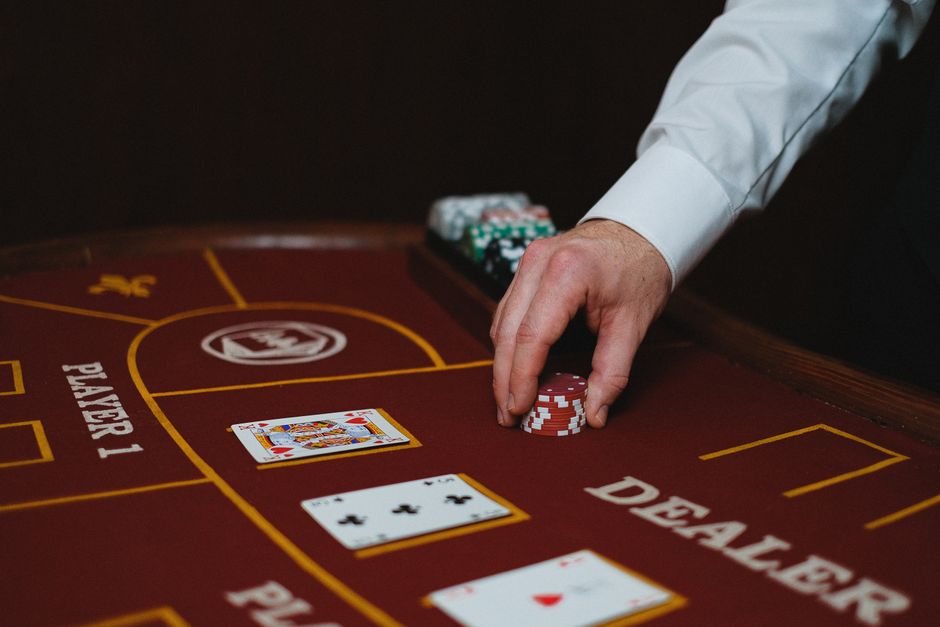
Every gambler eventually has the same conversation with themselves. It happens sometime around 2 a.m., staring at a screen or a felt table, wondering whether the last three hours were a display of skill or just an expensive way to pass the time. The honest answer is that it depends entirely on what you're playing, and most people never bother to figure out where the line actually sits.
That line matters more than any betting system, tip sheet, or hot streak story. Once you understand which games reward decision-making and which ones simply reward patience and luck, you stop wasting energy trying to outsmart randomness. Here's a breakdown that separates the two.
House Edge Is Not the Same as Skill
This is the first place most players get confused. A game can have a tiny house edge and still require zero skill. Take blackjack: the base game with basic strategy has a house edge of roughly 0.5%, which is excellent compared to almost anything else in a casino. But if you play badly, that edge balloons past 2%. The rules don't change; your decisions do.
Now compare that to baccarat. The banker bet carries about a 1.06% house edge, which is close to blackjack. But there is no decision to make after you place your bet. You pick a side and watch. Same ballpark edge, completely different relationship with skill.
So when someone says "casino games are all luck," they're really saying they've never thought carefully about the difference between the odds you're offered and the choices you make within those odds.
Pure Chance Games (And Why People Still Play Them)
Slots are the clearest example. Modern video slots use random number generators that determine every outcome the instant you press spin. There is no timing trick, no pattern in the reels, and no "due" jackpot. A slot that hasn't paid in 500 spins is exactly as likely to pay on the next spin as one that just hit.
Roulette belongs in the same bucket when it comes to each individual spin. Past results have no influence on future ones. The wheel doesn't remember that red came up eight times in a row.
What makes these games interesting is that players still apply skill — just not to the outcome. They apply it to: For practical tips, check out winvn.company.
- Bankroll management — deciding bet sizes so a cold streak doesn't wipe you out in ten minutes
- Game selection — choosing a slot with a 96.5% RTP over one with 91% RTP
- Session limits — walking away at a pre-set loss or win threshold
- Bonus evaluation — understanding whether a deposit bonus is actually worth the wagering requirement
None of that changes the math of a single spin. All of it changes whether you're still playing next month.
Poker Is Where Skill Actually Compounds
If you want a game where better decisions produce measurably better results over time, poker is the answer. It's one of the few casino-adjacent games where you're not playing against the house but against other people, and the house just takes a rake.
In Texas Hold'em, a skilled player will beat a weak player over thousands of hands with near certainty. That's not opinion; it's the entire basis of professional poker. The variance is brutal in the short term — you can play perfectly and lose for a week — but the edge is real and it accumulates.
Where does the skill live?
- Hand selection — knowing which starting hands are worth playing from which position
- Reading opponents — picking up on betting patterns, timing tells, and tendencies
- Pot odds and implied odds — calculating whether a call is profitable given the money already in the pot
- Position awareness — acting last is a massive structural advantage most beginners ignore
- Emotional control — not tilting after a bad beat, which is arguably the single biggest separator between winners and losers
The rake complicates things. At low stakes, the rake can be so punishing that even good players barely break even. Skill still matters, but it has to overcome a bigger hurdle.
Sports Betting Sits Somewhere In Between
Sports betting gets lumped in with pure gambling, but a sharp bettor can absolutely win long term. The catch is that the edge is small and hard to find. Bookmakers are good at what they do, and the margin baked into odds means you need to be right more often than not just to break even.
Where skill helps:
- Line shopping across multiple books to find the best price
- Understanding injury reports, weather, and scheduling spots
- Recognizing when public money has pushed a line away from its true value
- Specializing in one or two leagues instead of betting everything
Where it doesn't: betting parlays for entertainment, chasing losses live, or trusting a tipster with no verifiable track record.
The Takeaway That Actually Changes How You Play
If you enjoy slots or roulette, play them for entertainment and treat the money as spent the moment you deposit it. Budget accordingly. There's nothing wrong with that approach — it's honest about what the game is.
If you want a game where your decisions matter, poker and advantage-play scenarios are where to look, but understand that the skill curve is steep and the variance is real. You don't become a winning player by reading one article. You become one by tracking results, reviewing hands, and being brutally honest about your leaks.
And if you're somewhere in the middle, think of it this way: the house always has an edge. Your job is to make sure the edge they have against you is as small as the game allows, and that your decisions outside the game — bankroll, session length, game choice — give you the best possible chance of walking away with something.
Luck decides a session. Skill, or at least discipline, decides a year.

Joeby Ragpa
This template is so awesome. I didn’t expect so many features inside. E-commerce pages are very useful, you can launch your online store in few seconds. I will rate 5 stars.
ReplyAlexander Samokhin
This template is so awesome. I didn’t expect so many features inside. E-commerce pages are very useful, you can launch your online store in few seconds. I will rate 5 stars.
ReplyChris Root
This template is so awesome. I didn’t expect so many features inside. E-commerce pages are very useful, you can launch your online store in few seconds. I will rate 5 stars.
Reply