
The Real Math Behind Why Casinos Always Win (And How to Beat It)

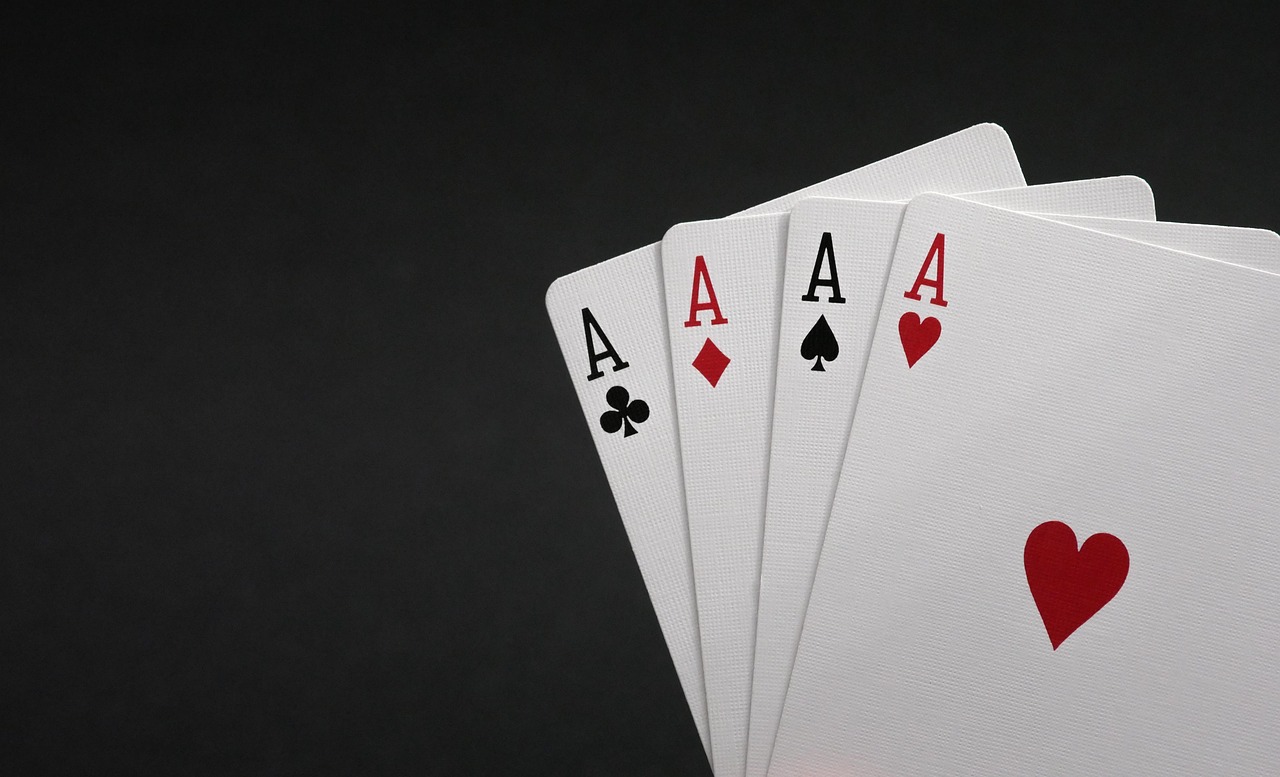
Every gambler eventually asks the same question: is it actually possible to win? The answer is yes — some people do — but understanding why most don't requires getting comfortable with a concept that the industry banks on: house edge. Strip away the free drinks, the flashing lights, and the adrenaline, and every casino game is a math equation. Your job as a smart player is to know which side of that equation you're on.
House Edge: The Number Nobody Puts on a Billboard
The house edge is the built-in profit margin the casino holds on every bet over the long run. It's expressed as a percentage, and it's the single most useful number in gambling. Compare a few staples:
- Blackjack (basic strategy): roughly 0.5% house edge — the best bet in the building.
- Baccarat (banker bet): about 1.06%, with the player bet at 1.24%.
- Craps (pass line with odds): often under 1% depending on odds bets.
- European roulette: 2.7% because of a single zero.
- American roulette: 5.26% thanks to that extra double zero.
- Slots: between 2% and 15%, depending on the machine and jurisdiction.
That gap between European and American roulette is a perfect illustration. Same wheel, same payouts, twice the edge simply because of one extra pocket. Players who understand this fly to Europe or hunt down single-zero tables in Vegas. Everyone else spins the double-zero wheel because it's the one in front of them. There is a useful overview at 58winn.co.com.
Why Slots Are a Different Beast
Slot machines are the biggest revenue driver in nearly every casino on earth, and it's not because they offer good odds. It's because they offer good feelings. Variable ratio reinforcement — the same psychological mechanism behind social media feeds — keeps players pulling the lever long after logic says stop.
The key concept here is RTP, or return to player. A slot with 96% RTP will, over millions of spins, return $96 for every $100 wagered. That sounds tight until you realize the volatility matters just as much as the RTP. A 96% RTP slot with high volatility might swallow $500 before paying a big bonus. A low-volatility slot with the same RTP will leak small amounts steadily but rarely deliver a life-changing hit.
Here's a practical tip: online casinos publish RTP data, land-based ones usually don't. If you're playing online, check the RTP before you spin. Anything under 94% deserves skepticism. And remember — RTP is calculated over millions of spins. Your session of 200 spins is statistically meaningless. You might walk away up 400%, or down 100%. The math only kicks in over infinity.
Poker: The One Game You Can Actually Beat
Here's the secret the casino doesn't want to scream: poker is the only game in the house where skilled players have a genuine long-term edge. That's because you're not playing against the house — you're playing against other players, and the house just takes a rake.
The rake is your real opponent. In a typical live $1/$2 no-limit hold'em game, the house might take 10% of every pot up to $5, plus a dollar for promotions. That's a brutal drag on win rate, which is why many low-stakes live games are barely beatable. Online, the rake is often lower, but the competition is tougher because you're facing a global pool of grinders.
If you want to win at poker, you need to pick softer games. Look for:
- Juicy recreational tables — Friday and Saturday nights, tournament satellites, low-stakes mixed games.
- Positional play — acting last gives you information and control. This alone can lift your win rate enormously.
- Bankroll management — never sit with more than 5% of your poker bankroll in a cash game, or 2% in a tournament entry.
- Game selection over ego — the second-best player at a soft table makes more than the best player at a tough one.
Data from tracking software like Hold'em Manager suggests that roughly 10% of online cash game players are long-term winners. The good news: that's not because the other 90% are unlucky. It's because most players never study, never review hands, and never adjust.
Sports Betting: Where the Edge Lives in the Line
Bookmakers make money through the vigorish — usually 5% to 10% built into the odds on either side of a bet. A coin-flip market might offer -110 on both sides, meaning you must bet $110 to win $100. That's a 4.5% hold for the book, and it's why blindly betting favorites is a slow bleed.Beating the line requires finding mispriced markets. Sharp bettors focus on:
- Injury news before it moves the line — a starting quarterback ruled out at 3 a.m. moves markets by lunchtime.
- Public vs. sharp money — fading heavy public sides is a legitimate long-term strategy in some sports.
- Line shopping — using multiple sportsbooks to get the best number. A half-point in the NFL is worth millions to professional bettors.
- Prop markets — often softer than main lines because books don't spend as much on modeling individual player performances.
The reality is stark: fewer than 5% of sports bettors are profitable long-term, and most of those use sophisticated models, injury databases, and closing line value analysis. If you're betting for fun, budget accordingly. If you're betting to win, treat it like a part-time job.
Bankroll Management: The Unsexy Superpower
No edge survives bad bankroll management. A player with a 2% edge and a $1,000 bankroll betting $100 per hand will go broke before the math bails them out. The rule is simple: never risk more than 1% to 2% of your total gambling bankroll on any single bet or spin while you're building, and never chase losses.Chasing is the killer. The guy who doubles his bet after every loss because "it has to hit eventually" is the guy funding the casino's renovations. Variance is indifferent to your desperation.
What This Means for You
You can have a great time in a casino without ever having an edge. That's the point of entertainment. But if you want to be a winning player — or at least a smarter loser — pick your battles carefully. Play blackjack with basic strategy instead of the slot with 88% RTP. Find a soft poker table instead of a pro-heavy one. Shop your lines instead of taking the first number you see. And treat variance like weather: you can't control it, but you can dress for it.
Nobody beats the house at every game, and nobody beats it forever. The house edge guarantees that. But the gap between a player who understands the math and one who doesn't is measured in thousands of dollars over a lifetime. Choose the short edge, avoid the long one, and enjoy the ride with money you can afford to lose. That's not pessimism — it's the only honest strategy in the game.

Joeby Ragpa
This template is so awesome. I didn’t expect so many features inside. E-commerce pages are very useful, you can launch your online store in few seconds. I will rate 5 stars.
ReplyAlexander Samokhin
This template is so awesome. I didn’t expect so many features inside. E-commerce pages are very useful, you can launch your online store in few seconds. I will rate 5 stars.
ReplyChris Root
This template is so awesome. I didn’t expect so many features inside. E-commerce pages are very useful, you can launch your online store in few seconds. I will rate 5 stars.
Reply