
Choosing Durable Fabrics for Seaside Family Homes

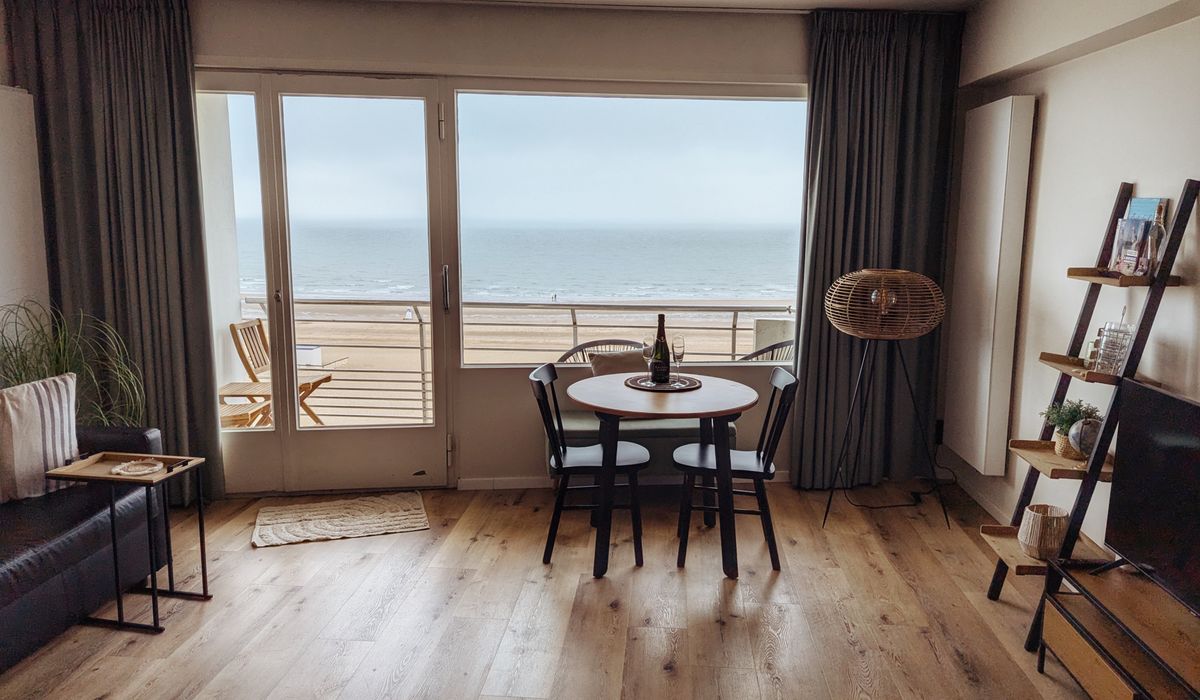
Why seaside homes are harder on upholstery
Anyone who has lived within earshot of the waves knows the particular rhythm of coastal life: sandy feet at the back door, damp swimsuits draped over chair backs, and windows flung open to the wind. That same wind carries salt, and salt carries fine mineral particles that settle deep into the weave of a sofa. Combined with wind-blown sand, which behaves like a gentle abrasive every time someone sits down, it is a slow grind on any fabric that is not up to the job.
Then there is the light. Reflected glare off water and pale coastal walls doubles the UV a south-facing room receives, and UV is what fades colour, weakens fibres and leaves a sofa looking tired long before its frame gives out. Add damp winter air, condensation on windows, and the occasional wet dog, and you have a setting that punishes anything delicate. The good news is that plenty of fabrics are made for exactly this, and they do not have to look like gym equipment.
Fibres that hold their own
Start with the fibre, because weave and finish can only do so much with a weak base.
- Solution-dyed acrylic: the pigment is added to the fibre while it is still liquid, so colour sits all the way through rather than on the surface. It resists UV fade and mildew well, dries quickly and now comes in far softer, less plasticky finishes than it once did. Ideal for sofas in garden rooms, conservatories and anywhere that gets direct sun.
- Polyester and olefin blends: genuinely tough, stain-resistant and quick-drying, and usually the best value. Look for a dense, heavy construction rather than a thin one, as cheaper versions can pill.
- Wool: naturally resilient, dirt-shedding and warm underfoot. Pure wool is absorbent, so keep it for tighter weaves and be quick with spills. A wool blended with a synthetic partner is a sensible coastal compromise.
- Cotton canvas: tightly woven cotton, especially with a stain-resistant treatment, is comfortable and hard-wearing. Loose cotton weaves are not.
- Linen blends: pure linen creases and can be brittle in strong sun. Blended with polyester or cotton it keeps the relaxed coastal texture with better stamina.
Be cautious with viscose and rayon, which lose strength when wet and mark easily, and with silk anywhere near salt air.
Weaves and textures that earn their keep
A tight, flat weave is your ally. Plain weave, twill, herringbone and hopsack all have short, closely packed yarns that resist snagging and stop sand working its way into the structure. Rub a sample between your fingers: if you can see daylight through it or catch a thread with a fingernail, it will not last five summers.
Bouclé, chunky slub yarns and loose open weaves look wonderful in a photograph but snag on buckles and dog claws, and the loops trap grit. Deep pile velvets are similarly tricky, though a short, dense polyester velvet is a different creature and can work beautifully on a headboard or a low-use chair.
Texture is still worth having. A woven stripe, a small-scale check or a subtle rib gives visual interest without the fragility of a fluffy finish.
The sand problem, and how colour helps
No fabric repels sand, so choose colours that forgive it. Pale creams and bright whites show every grain and every mark from wet hands. Very dark tones show pale dust and sun-bleached patches. Mid-tones, oatmeal, stone, soft grey, muted blue, sage and clay sit in the sweet spot.
Pattern does quiet, useful work here. A ticking stripe, a faded nautical check or a small woven motif breaks up the look of scattered sand, disguises the occasional spill, and hides the slight sheen that develops where everyone always sits. If you love a plain fabric, use it on the back and arms and put a patterned or textured number on the seat cushions, which take the brunt.
Practical details that make life easier
The best coastal sofas are designed to be maintained, not just admired.
- Removable covers with sturdy zips, ideally machine washable at 30 degrees. Check whether covers can be washed or need professional cleaning before you buy.
- Reversible cushions so wear is shared, and firm foam or foam-wrapped interiors that keep their shape after years of use.
- Tight, well-piped seams and no fringing or tassels, which hold salt and grit.
- Two sets of covers if budget allows: a hard-wearing everyday set and a smarter one for winter.
- Washable throws on the seats everyone fights over, and a basket of towels by the door, because prevention beats cleaning.
Vacuum upholstery weekly with a brush attachment to lift salt and sand, and blot spills rather than rubbing. A clean, dry cloth and cool water deal with most coastal accidents.
Before you commit: a quick checklist
- Abrasion: look for a Martindale rub count of at least 25,000 for family rooms, and 40,000 or more for the main sofa.
- Lightfastness: a rating of 5 or above, particularly for sun-facing rooms.
- Pilling: a rating of 4 or better, so the fabric does not fuzz up.
- Samples: take one home, leave it in the room for a week, rub it with damp hands and a little sand, and see how it behaves in your own light.
Choose well and your upholstery will shrug off the salt, the sand and the wet labrador, leaving you free to enjoy the view.

Joeby Ragpa
This template is so awesome. I didn’t expect so many features inside. E-commerce pages are very useful, you can launch your online store in few seconds. I will rate 5 stars.
ReplyAlexander Samokhin
This template is so awesome. I didn’t expect so many features inside. E-commerce pages are very useful, you can launch your online store in few seconds. I will rate 5 stars.
ReplyChris Root
This template is so awesome. I didn’t expect so many features inside. E-commerce pages are very useful, you can launch your online store in few seconds. I will rate 5 stars.
Reply